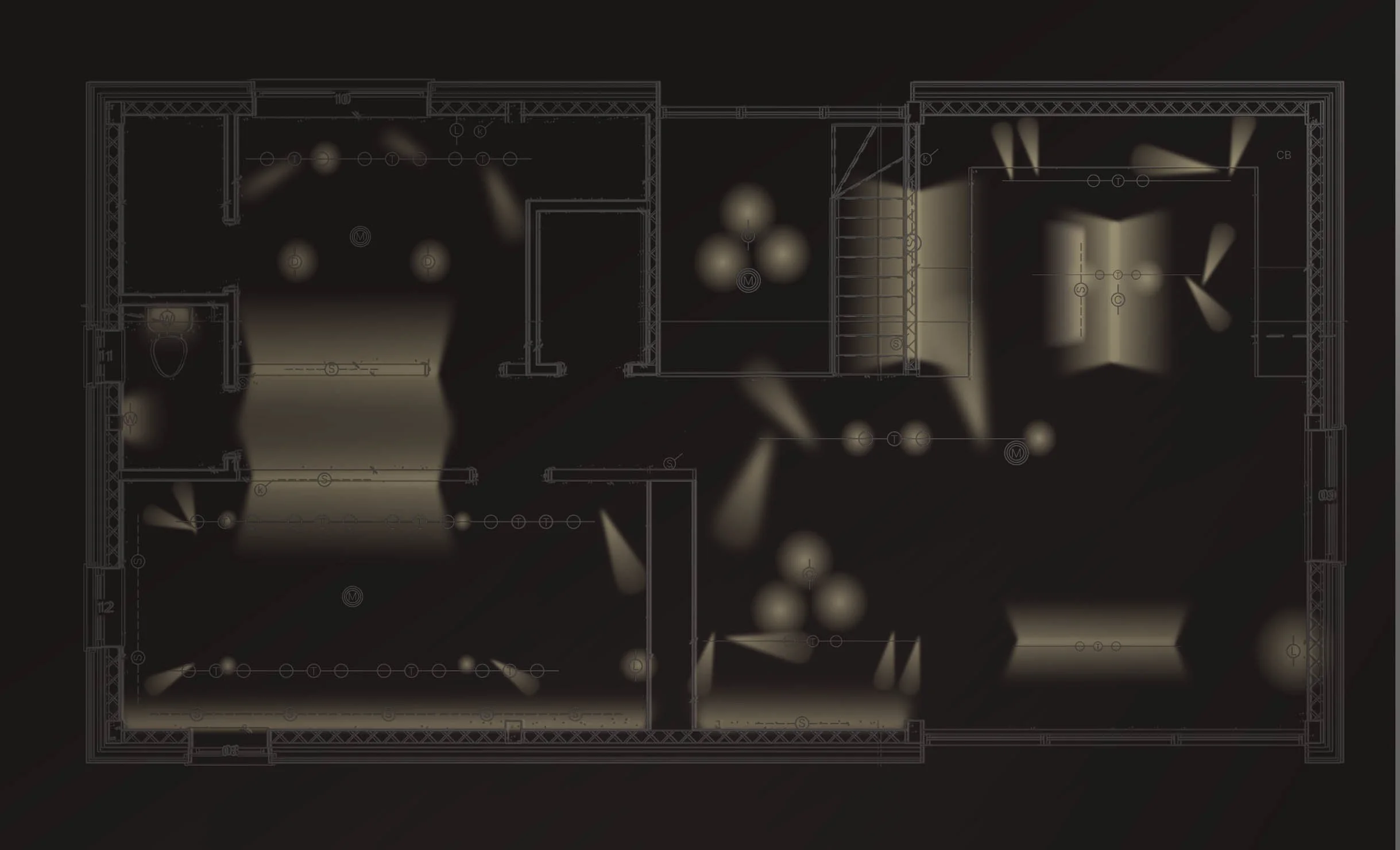
Penumbra is the space between light and shadow.
It is where atmosphere lives.
High end residential lighting design.
Most spaces are lit. Few are considered. The difference is rarely the fittings.
Philosophy
Light is not a finish applied at the end of a project. It is a design decision that shapes how a space feels from the moment you walk in. The quality of that experience lives not in the bright or the dark, but in the transition between them. The penumbra.
Good lighting design starts with how a space should feel, not what is available in a catalogue. It considers where light originates, how it falls, what it reveals and what it allows to recede. That thinking has to happen early, in conversation with the architecture, not after the ceilings are closed.
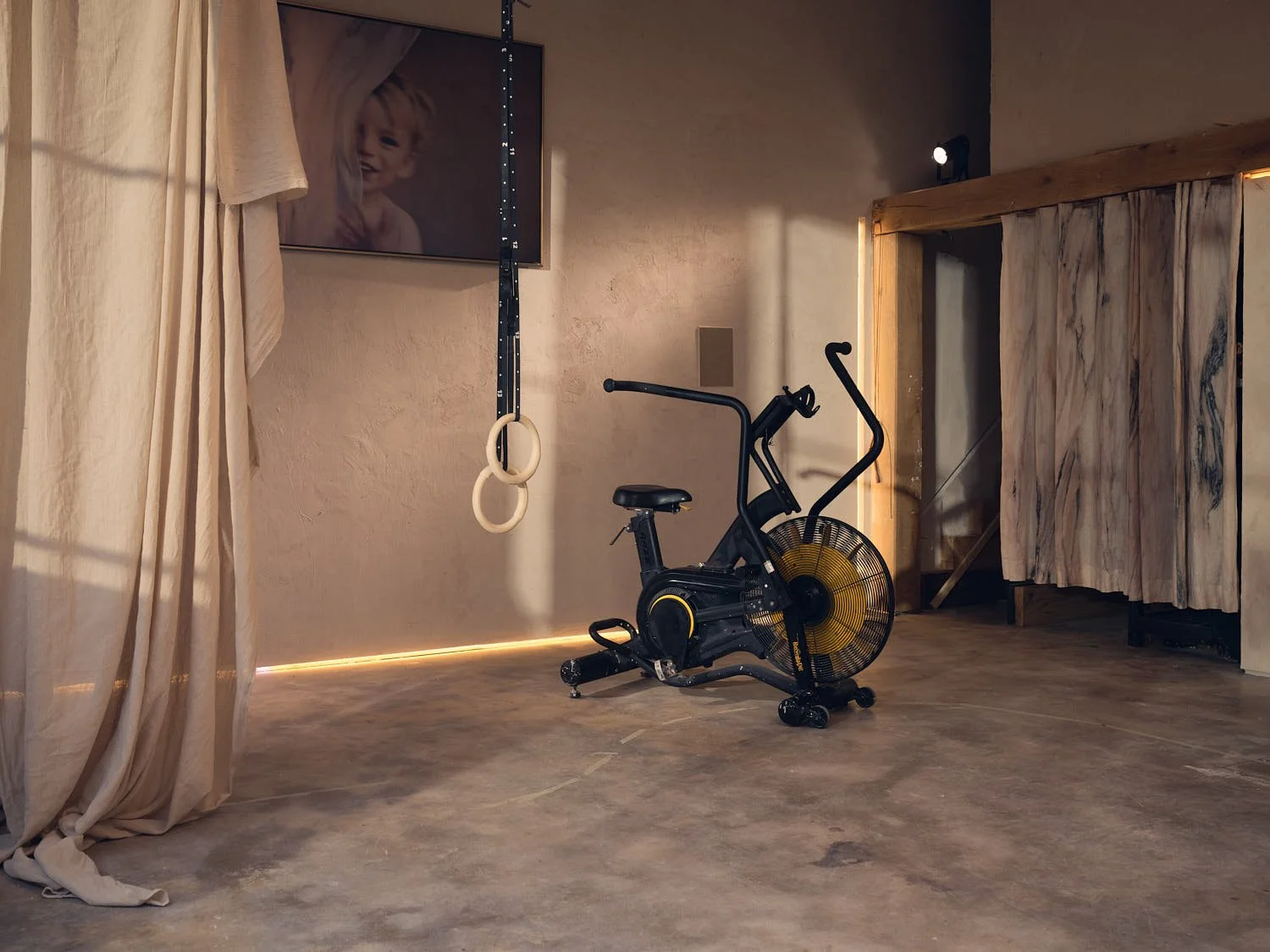
The Service
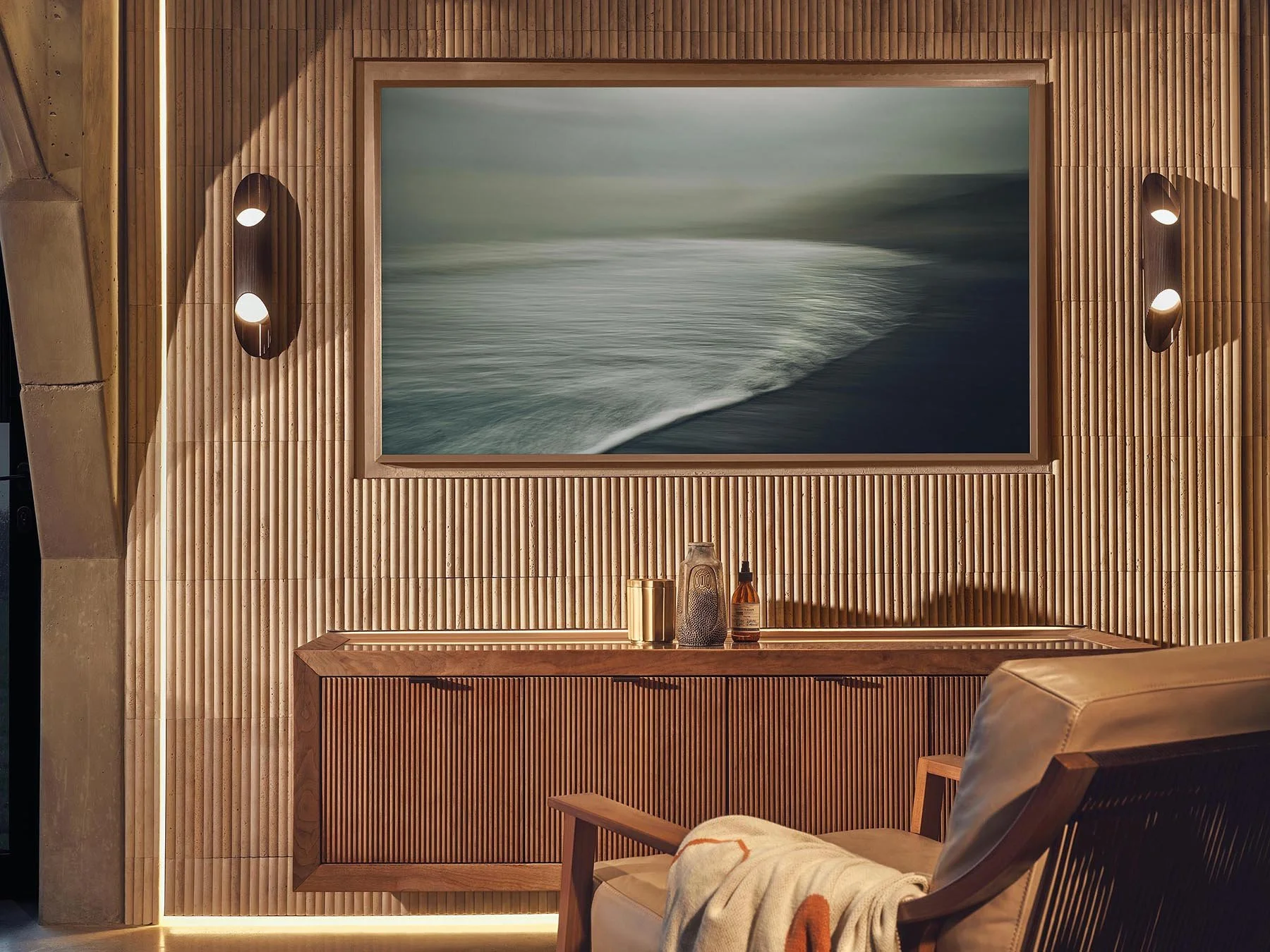
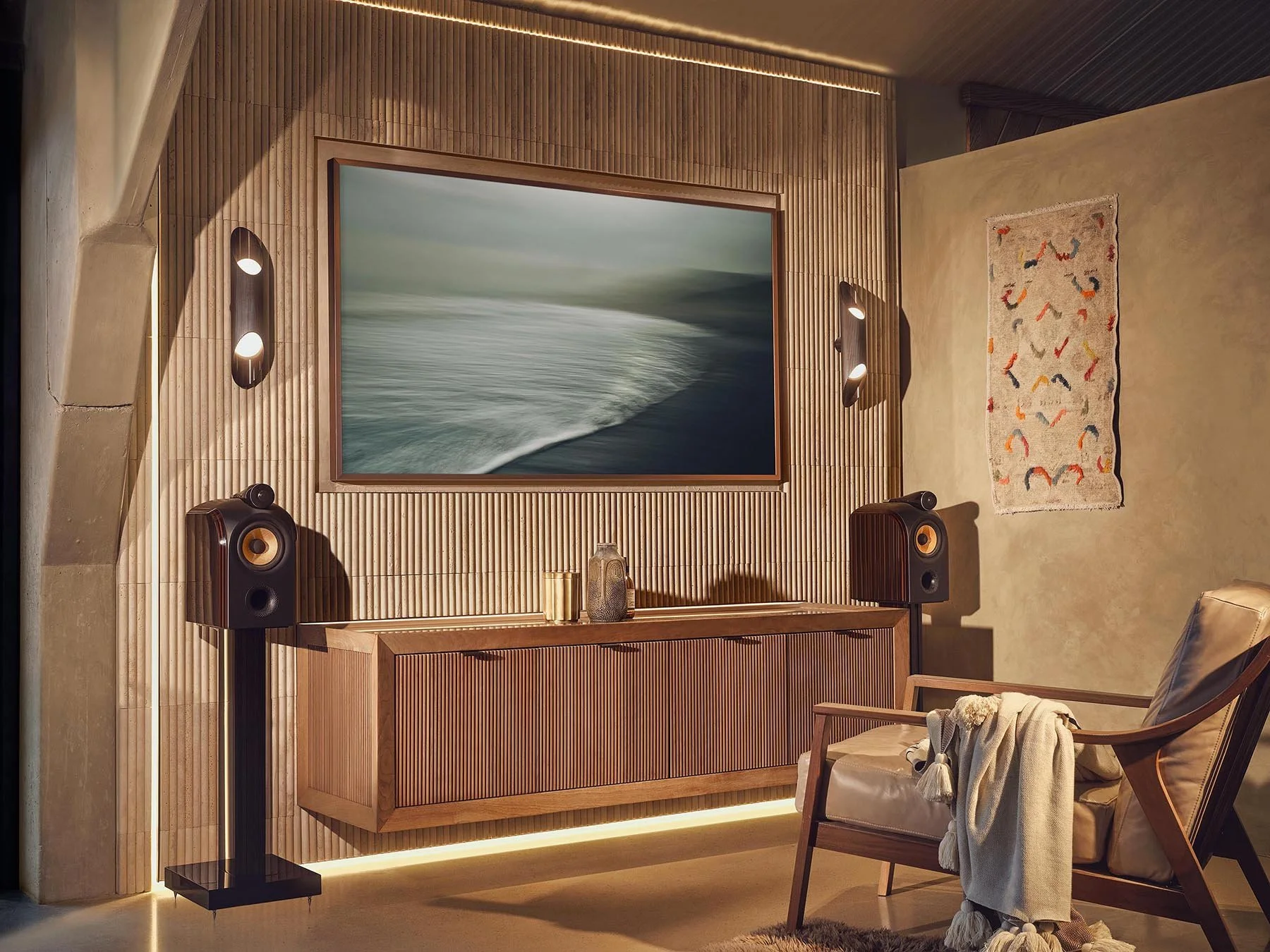
Art of Penumbra works with architects, interior designers and private clients on residential lighting. The work covers scheme design, fixture specification, zone and scene logic, and a complete brief for your lighting control installer.
The deliverable is one coherent document that tells every specialist exactly what the project needs. One point of contact. No gaps between trades.
the approach
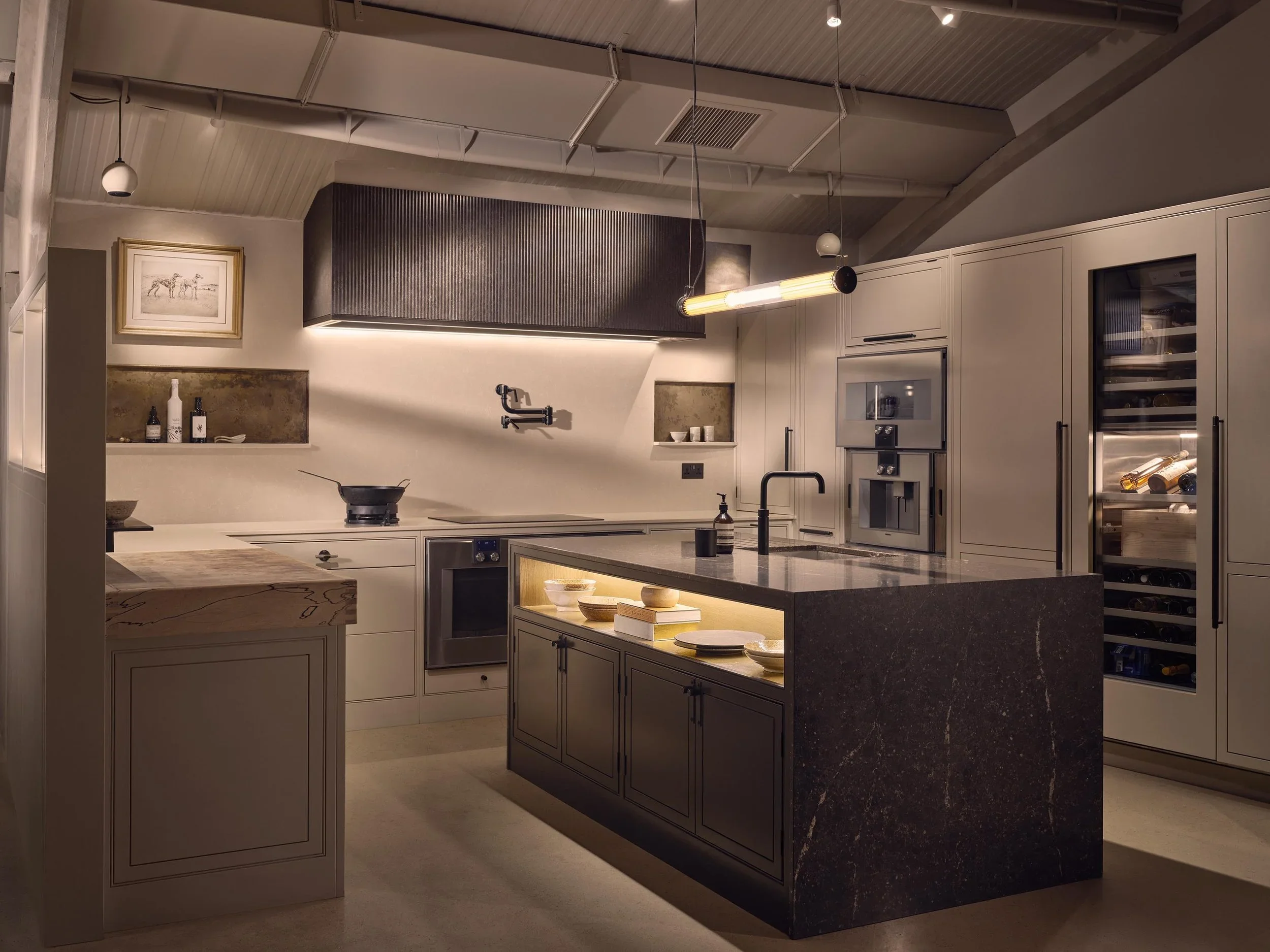
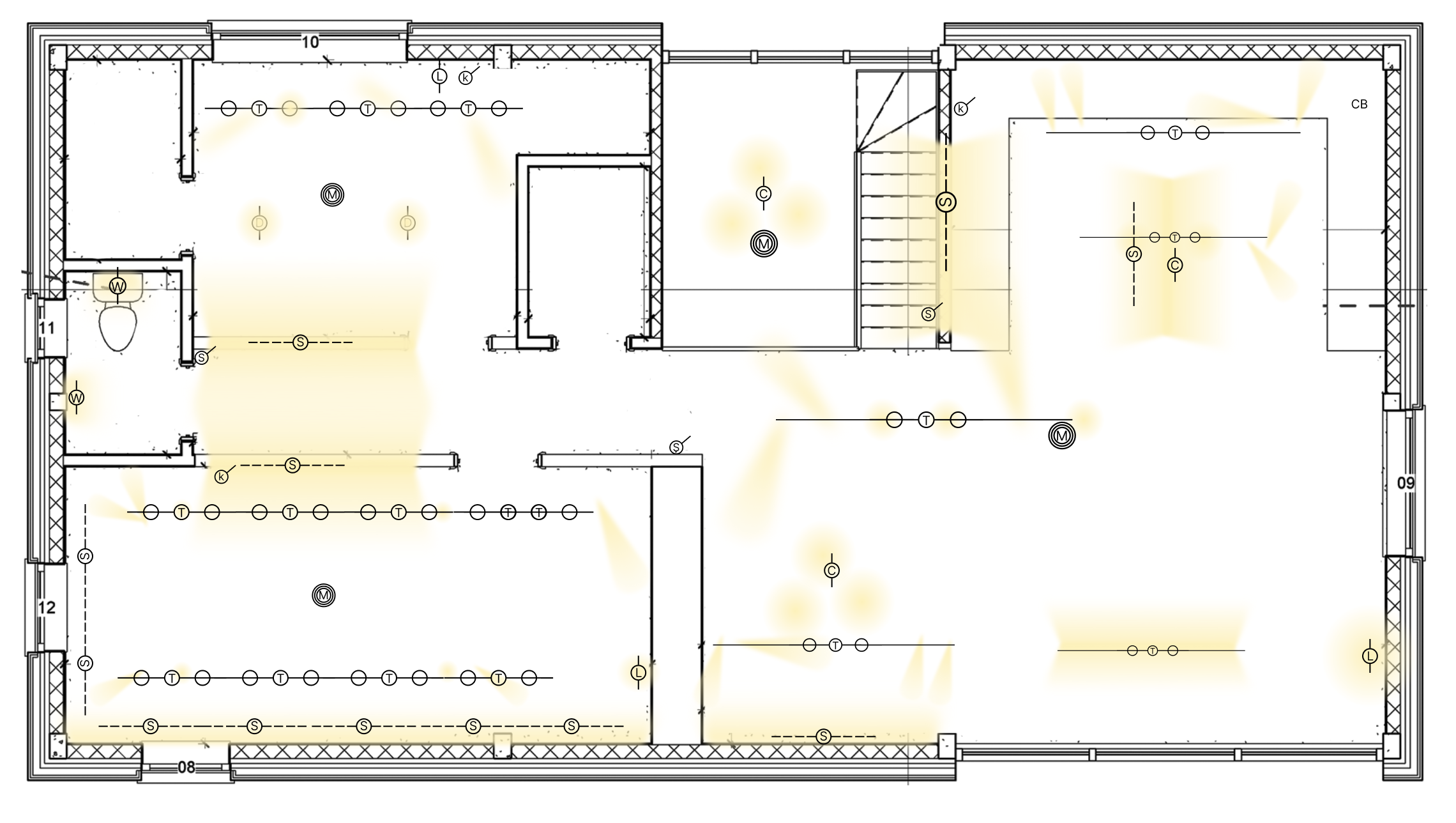
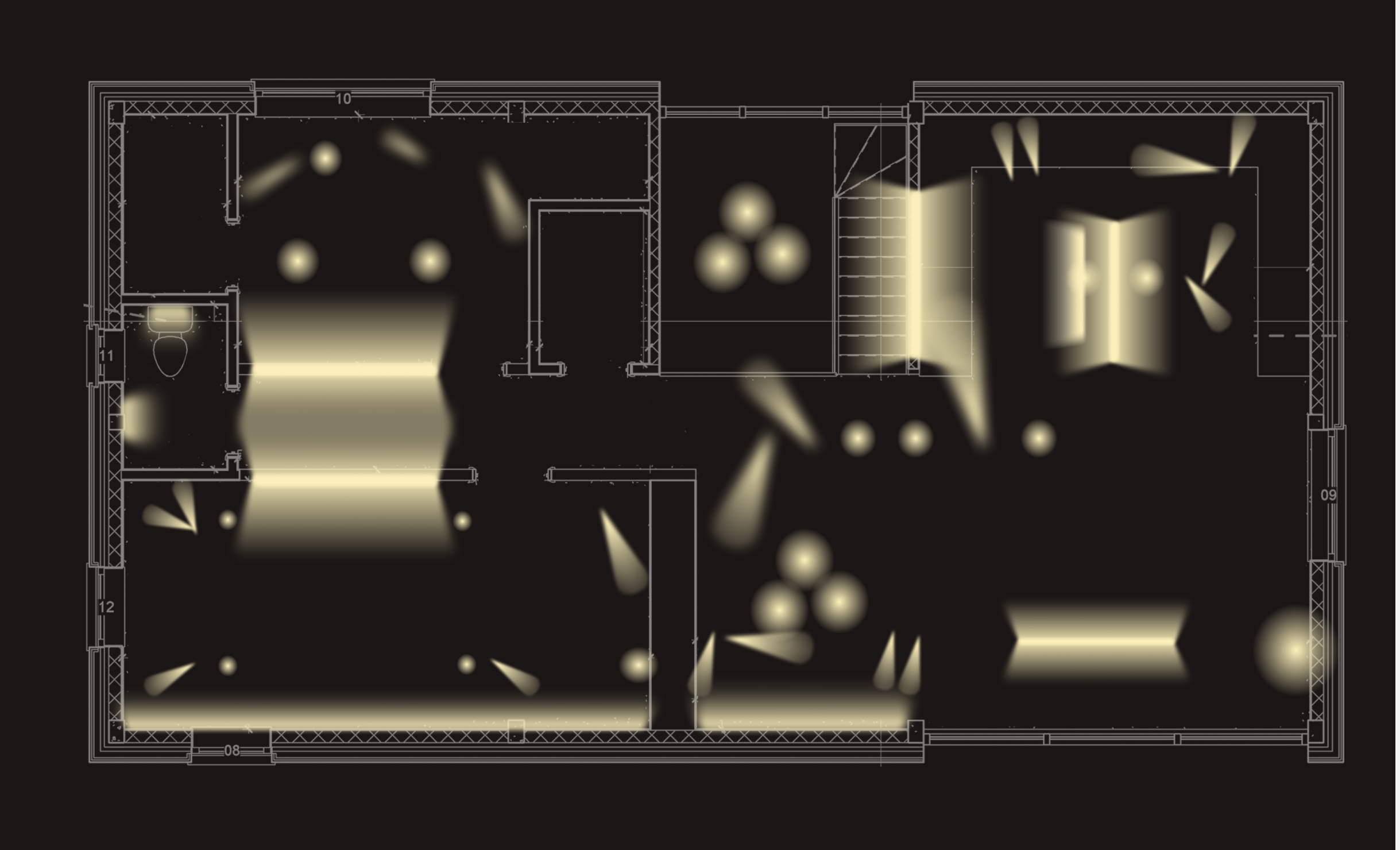
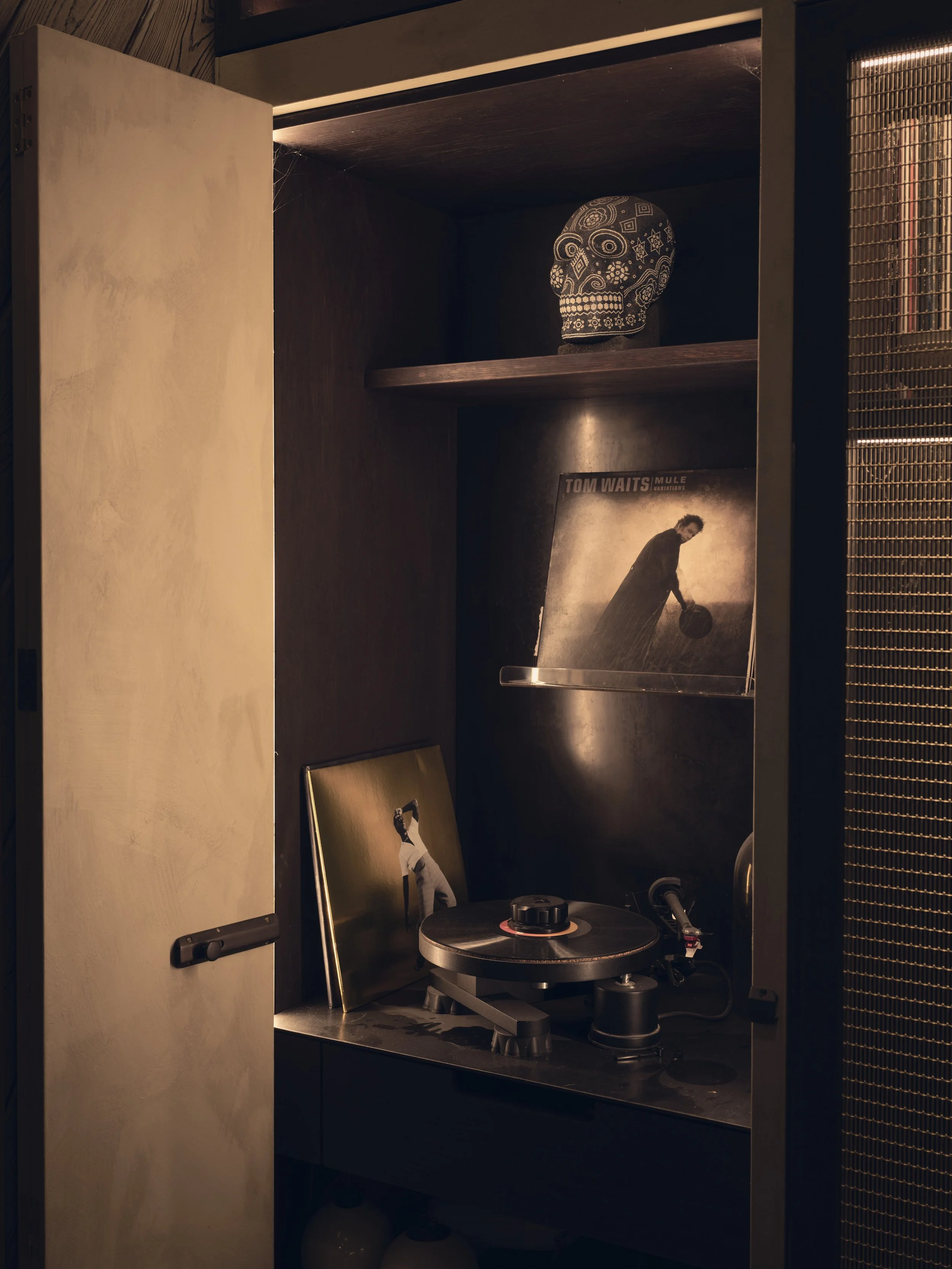
Art of Penumbra approaches lighting a room the same way it approaches lighting a set for photography. A camera cannot handle wild variations in light level, so the base ambient is always built first. In a room this means warm, indirect light from low sources. Wall washes. Strip. Keeping the ceiling dark and the room at its own level. It builds into a cloud of light that surrounds you without announcing itself.
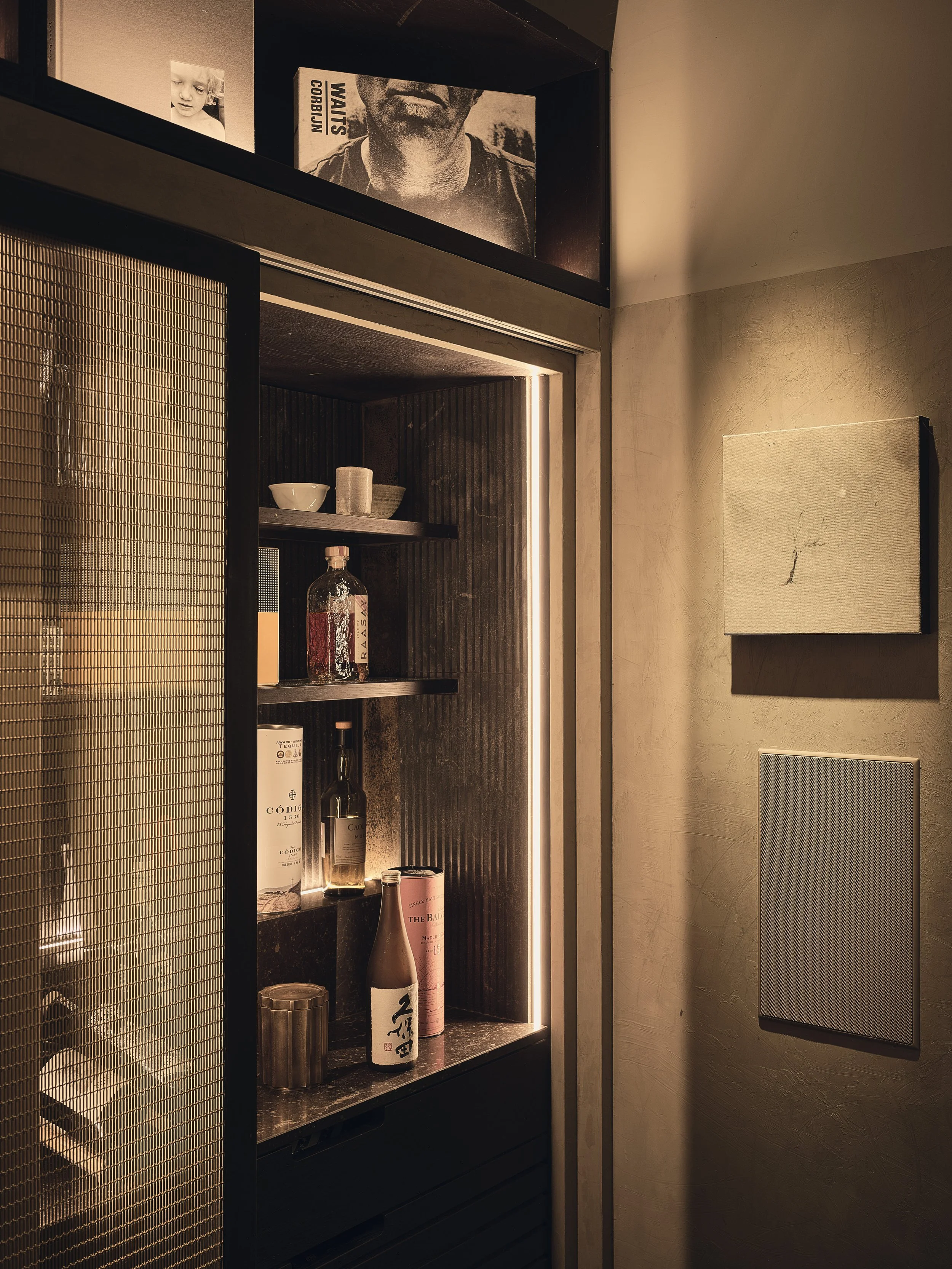
Then the spots find what matters. The kitchen island. The reading chair. The texture of a surface. Where your drink sits at the end of the day. Each one says: look here. Not because it is bright, but because everything around it is not.
The result is a hierarchy of attention that feels natural rather than designed.
This is where penumbra becomes the principle rather than just the name. No hot spots. No patches of total darkness. Just a smooth, considered transition between light and shadow. The space reads as whole.
Credentials
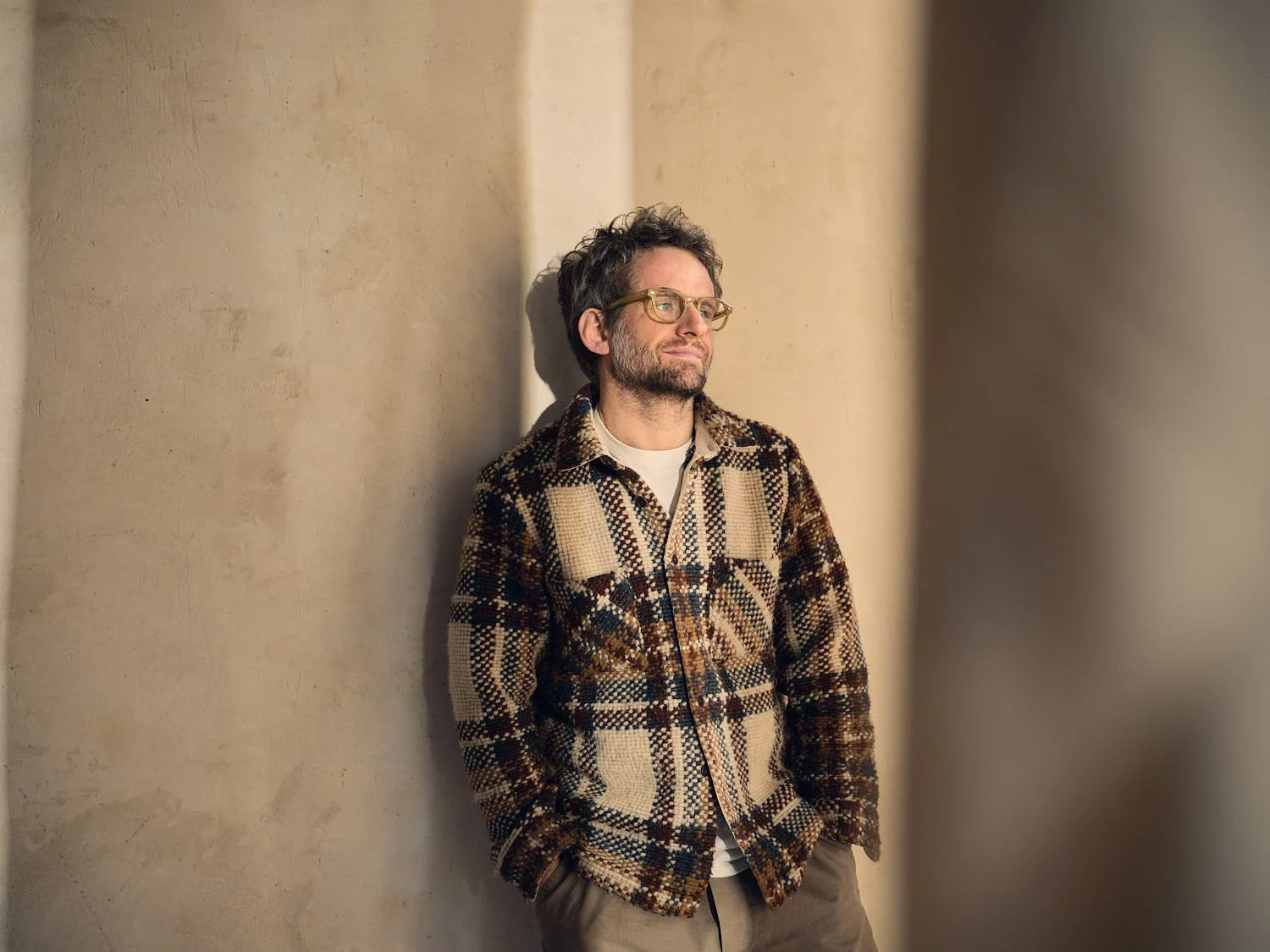
Twenty years as a commercial photographer at the highest level means understanding light at a level most designers never reach. How it behaves on a surface. How it defines form. How the character of a space shifts depending on where light originates and how much of it there is.
There has not been a minute in thirty years without music. That relationship with sound runs as deep as the one with light, and the two have always felt like parts of the same thing rather than separate interests.
A large part of travelling has always been about the spaces. The hotel bar that feels exactly right at ten in the evening. The cafe that holds a particular quality of light in the afternoon. The restaurant where the sound level and the warmth of the room make you want to stay. Understanding what creates that feeling, and then finding ways to bring it home, is what this practice is built around.
Having taken a Class Q barn conversion from concept through to completion, the practical realities of how complex residential projects go together are not abstract. Much of the studio was built by hand, which means the relationship between design decisions and their physical consequences is understood from the inside. Working alongside architects, structural engineers and trades across every stage, down to designing and specifying the cabinetry, means knowing where decisions close off options and why lighting and audio have to be part of the conversation from the start.
Most people feel the difference a considered space makes. Few think to ask why.
Start a conversation
The earlier lighting is considered in a project, the more it can influence the outcome. If that sounds like a conversation worth having, it starts here.